
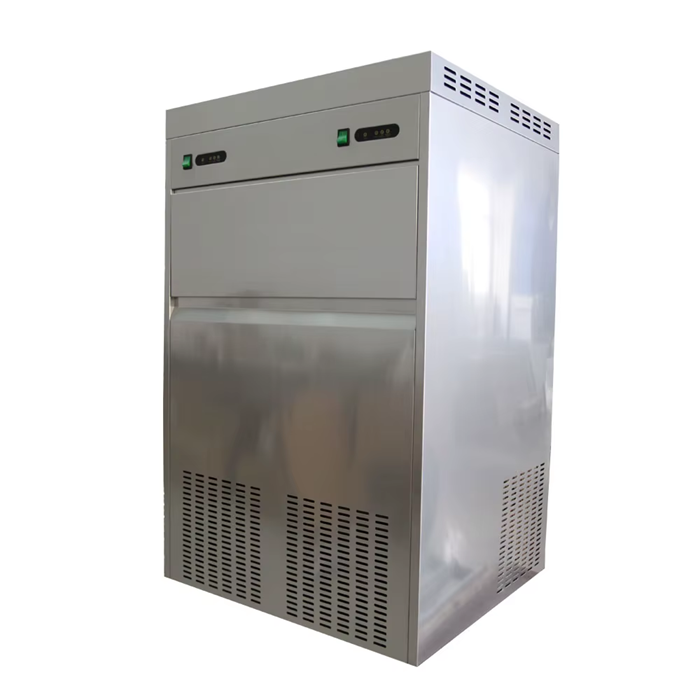
Commercial ice machines are essential equipment for businesses in the food service, cafe, bar, and retail industries.
They ensure a constant supply of high-quality ice needed for storing food, cooling beverages, and preparing meals. Proper use and selection of this equipment require knowledge of certain rules and specifications to ensure efficient and safe operation.
For those interested in learning more about commercial ice machines, ColdCommercial provides a detailed overview of various models, their technical features, and application recommendations. This will help you choose the optimal solution that meets your business needs and ensures reliable operation.
Technical Requirements for Installation and Operation
Ice machine operation requires strict adherence to the manufacturer’s technical requirements and recommendations. Ensuring a high-quality water supply is one of the most important aspects affecting ice quality and the operation of the machine. Cooling systems, water filtration, and electrical power must also be regularly checked and maintained to prevent potential failures and ensure safe operation of the equipment.
Power and Water Supply Requirements
- The electrical network must comply with the technical specifications of the device, as specified in the data sheet.
- Outlets and cables must have sufficient power and be grounded.
- The water supply system must be clean and meet sanitary standards, with mandatory water filtration.
Maintenance and Preventive Maintenance
- Regularly check and clean water filters to prevent clogging and deterioration of ice quality.
- Monitor temperature parameters and ensure proper operation of cooling systems.
- Periodic inspection and, if necessary, repair of electrical system components.
Overview of Popular Types of Ice Making Refrigeration Units
Commercial ice makers vary in design and purpose, allowing Select the most suitable option for specific operating conditions. The main types of these devices differ in their ice production method, production volume, and technical specifications, which impacts their efficiency and cost effectiveness.
The most common units are cube, plate, and tube ice machines. Each has its own advantages and operational features, allowing them to be used in a variety of industries, from restaurants to industrial enterprises.
Rational Methods for Using Ice Generators in the Food Service Industry
Below are basic recommendations for the rational use of ice generators to achieve maximum efficiency and resource savings.
Basic Principles of Rational Use of Ice Generators
- Optimizing Ice Production Volume – Select the ice generator model based on the season, consumption volume, and the specific needs of your establishment.
- Regular Maintenance and Cleaning – Perform maintenance to prevent scale buildup and ensure high-quality ice.
- Control Inventory Levels – Avoid overstoring ice to reduce energy costs and extend the life of your equipment.
- Energy Saving – Use energy-efficient models and ensure proper operation of your equipment.
Practical Recommendations for Use
- Scheduling Ice Production Based on Your Business Schedule – Adjust your ice generator’s operating mode to ensure maximum efficiency during peak periods.
- Using Appropriate Ice Storage and Transportation Methods – Use specialized containers and Cooling cabinets to maintain ice quality and minimize loss.
- Train staff on proper equipment use – conduct training sessions for employees on the operation, cleaning, and maintenance of ice machines.
- Integration with automation systems – the use of automated control systems will help monitor the production process and ice consumption.
Thus, the rational use of commercial ice machines in the food service industry ensures consistent service quality, reduces operating costs, and improves overall workflow efficiency. Implementing the above methods and adhering to operating rules will help businesses achieve maximum results and strengthen their market position.