
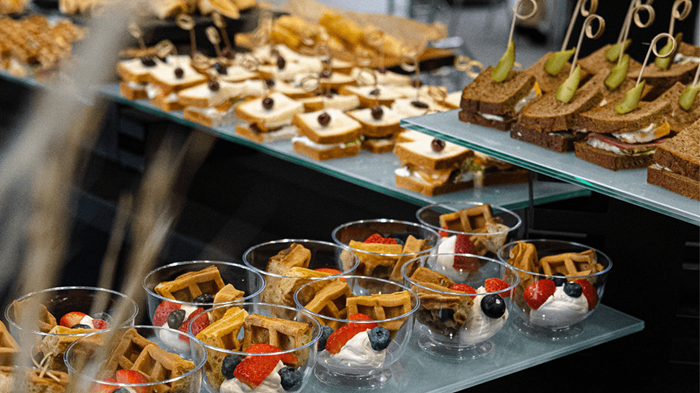
Catering is a comprehensive service for the preparation, delivery, and service of food and beverages at off-site events. Unlike a restaurant, where guests arrive at a prepared space, a catering team creates a “restaurant wherever you choose”: in an office, outdoors, in a loft, at an exhibition, or in a private home.
Modern catering includes not only the kitchen but also logistics, service, equipment, decoration, and quality control. Proper organization allows you to maintain a balance between budget, guest expectations, and the format of the event, ensuring that food becomes part of the experience rather than a source of risk.
How to Organize Catering: Stages and Important Details
Organizing catering https://miamicateringonline.com begins with a clear understanding of the objectives: who you’re inviting, how long the meeting will last, and what’s more important—speed, status, variety, or interactive presentation. The clearer the initial data, the more accurate the menu and the less overspending.
Step-by-Step Organization Plan
- Determine the format (buffet, banquet, coffee break, grill) and duration of the event.
- Collect guest information: number, age, nationalities, preferences, allergens, fasting/vegetarianism.
- Check the venue conditions: availability of a kitchen, water, electricity, access for transport, elevator, storage space.
- Agree on the menu: appetizers, main courses, desserts, drinks, children’s menu if needed.
- Calculate timing: delivery time, preparation, serving courses, replenishing lines, final cleanup.
- Select service and equipment: tableware, linens, ice, counters, bain-maries, bar station.
- Confirm agreements: Estimate, accommodations for changes in guest numbers, responsibilities, and deadlines.
Menu and portion control
The menu should be varied but logical: combine light and hearty items, cold and hot appetizers, meat and fish options, and add vegetables and fruits. For dynamic events, dishes that are easy to eat without complicated utensils are important, while for banquets, a consistent serving sequence and the ability to maintain temperature are crucial.
Drinks are planned separately: water and soft drinks are the bare minimum, coffee and tea are mandatory for business events, and alcohol is only available with clear regulations and responsible bar service.
Logistics, safety, and quality
Transportation and storage are critical: cold items should stay cold, hot items should stay hot, and the time between preparation and serving should be minimal. Professional catering requires thermal containers, sanitary standards, food labeling, and allergen control to eliminate risks for guests.
To evaluate a contractor’s capabilities in advance, it’s convenient to order catering on the website, reviewing sample menus, delivery terms, service offerings, and design options.
Bottom line: catering isn’t just takeout food; it’s a managed process that requires planning, accurate calculations, reliable logistics, and service. When properly organized, it helps to hold an event comfortably, without overloading organizers and with attention to each guest.
Summary: What does catering include and how is it different from a restaurant?
A restaurant operates in a fixed location and provides services in its dining rooms, while catering transfers the kitchen, logistics, and service to the event location, adapting to the format, timing, and conditions of the venue.
- Service composition: Catering is not only food, but also menu planning, delivery, table setting, staff, equipment, and on-site process control.
- Location: The restaurant hosts guests, while the catering service serves guests at the selected venue (or provides regular food deliveries to the office).
- Flexibility: Catering adapts to the number of guests, event regulations, space features, and serving requirements.
- Responsibility: in Catering is all about logistics, temperature control, access coordination, and setup/teardown times.
- Formats: from coffee breaks and buffets to banquets and on-site catering – the choice is determined by the event’s objectives.
Thus, catering differs from a restaurant in its flexibility and comprehensiveness: it organizes turnkey food and service at the right place and time, providing guests with a restaurant-quality experience outside of the restaurant.